About Stuart Slay
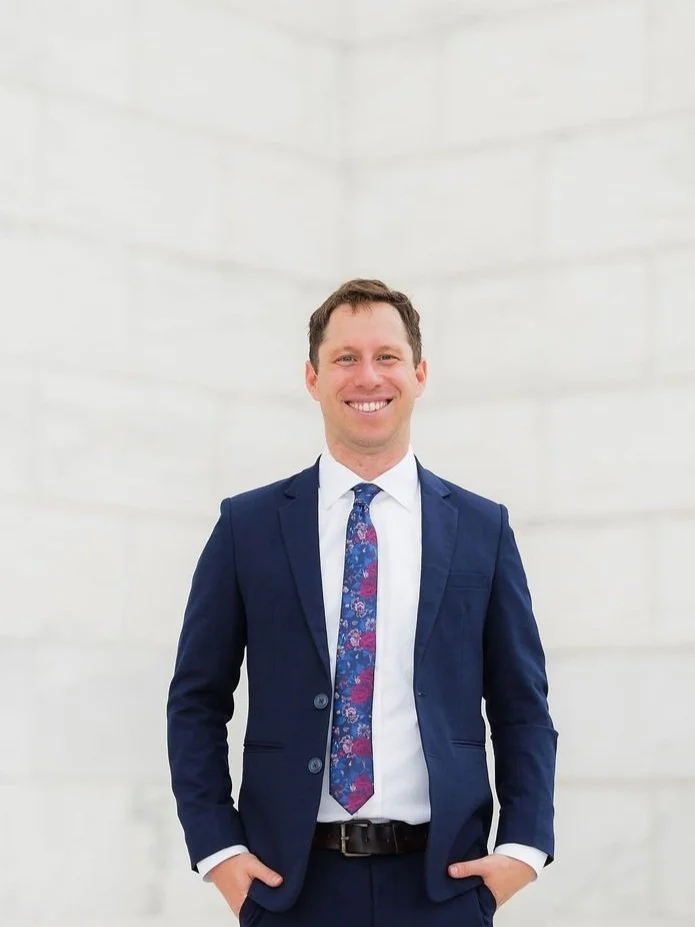
I was first introduced to outdoor education as a profession on my 18th birthday as a NOLS student in the North Cascades. Twenty years later, my career has spanned three continents. I started in the field, guiding and instructing on rivers, rock, and in the mountains. At one point, my crews of middle school boys were referred to as “the lost boys” from Peter Pan, roaming the mountains and completely self-contained. As a program director in South Korea, I built a new outdoor education program across an entire K-12 international school. As Senior Director of Risk and Safety at the Student Conservation Association, I led through COVID and managed incidents across all fifty states. I was fortunate to chair the Wilderness Risk Management Conference from 2023-2025; I lead accreditation reviews for the Association for Experiential Education, and am a founding member of the Wilderness Climate Lab, a professional learning group dedicated to raising awareness and knowledge about the impacts of climate change across the global sector.
I started Slay Risk to support the evolving yet fragile field of outdoor and off-campus programs and the safety leaders who design, support, and manage them. I grew up in these types of programs and deeply believe in the power of personal and societal change they foster. I’ve advised organizations ranging from two- to three-person teams to a national program with 60,000 participants a year. I hold a coaching credential from the Center for Executive Coaching, and my coaching is built to address common challenges I hear from my clients and have faced in my career, which I’ve coined the Five Challenges of Safety Leadership.
I manage Slay Risk from my home in Taipei, and work with program providers, independent and international schools, and universities across North America and Asia. The concepts and frameworks I teach come from my graduate school work on systems-based risk assessment and my fascination with safety science, which I help translate into actionable guidance for practitioners and leaders. I’ve published more than a dozen papers and presentations of original research on cultural risk, safety leadership, and climate resilience, including three peer-reviewed journal articles and a book chapter.
Today, through Slay Risk, I review programs, advise on systems and standards, coach organizational safety leaders, and speak worldwide. My aim is to help organizations see risk clearly, manage it more effectively, and help safety leaders engage everyone in risk management.
Let’s work together
Book a 20-minute virtual coffee so we can get to know each other.
The risk landscape for outdoor programs is changing.
As the world changes, the experiences programs provide are more needed than ever.
Society's expectations for trust and safety in organizations and institutions are changing. Algorithms are shaping our decisions in ways we don't always see, and the digital world is changing how people relate to themselves and others. Social isolation is on the rise, and attention spans are shrinking.
As a society, we have an unhealthy relationship with nature. Climate change is impacting programs' ability to operate and threatening the viability of many organizations.
It's no wonder, then, that people are less willing to accept risk for personal development and growth.
These factors are affecting who shows up to programs and what they need. But they're also the reason outdoor programming is more important today and should be even more relevant in education and to people's wellbeing in the future. Many outdoor programs are founded on fostering healthy relationships with the self, others, and the environment. Risk is at the center of building those relationships.
Risk management isn't just what programs do, it's what they teach.
Good risk management enables those benefits while remaining attentive and responsive to changing risk tolerance and risk perceptions.
Safety leaders in these organizations see how these changes affect programming firsthand. They see them in their operations, in their participants, and in the expectations of parents and staff. But the way safety work is designed in most organizations makes it hard for that perspective to have the influence it should.
Slay Risk seeks to support programs and our field.
Thoughtfully designed organizations and programs reach more people, and a more professional field is a more resilient field, which serves tomorrow's needs better.