
Work On It Together
Coaching to build influence and get everyone engaged in risk management.
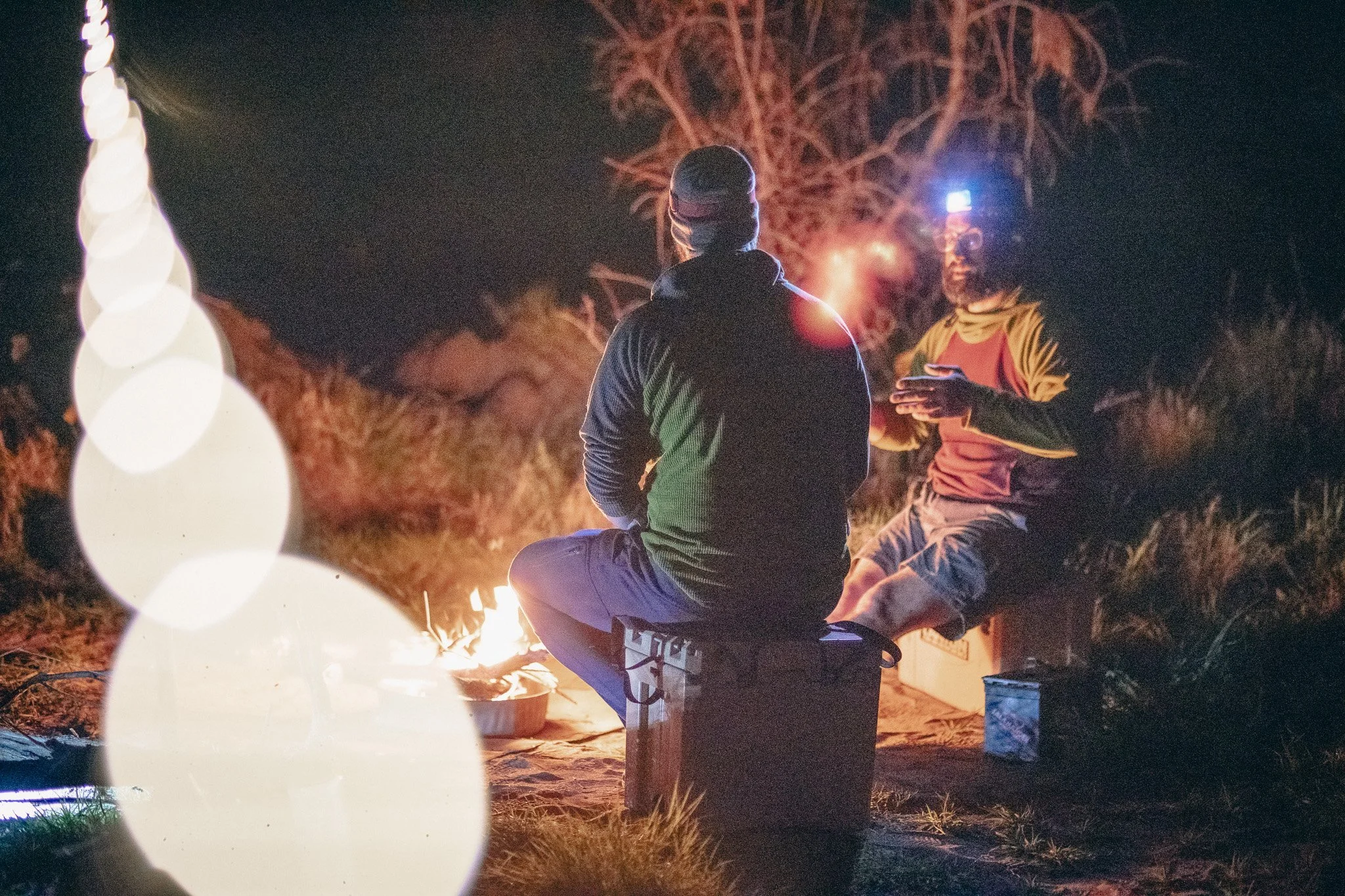
Executive coaching grounded in safety science
Executive coaching for the people responsible for risk and safety. Risk managers, program administrators, and the senior leaders who oversee and support them.
A safety leader can't manage risk alone. Much of the job is about getting colleagues, staff, and leadership engaged in the risk management process, often without the positional authority to change individual and team behaviors. Yet when an incident occurs, the responsibility for leading the response falls to the safety leader, regardless of its cause. Coaching builds the influence to close that gap, so more of the organization shares the risk management work.
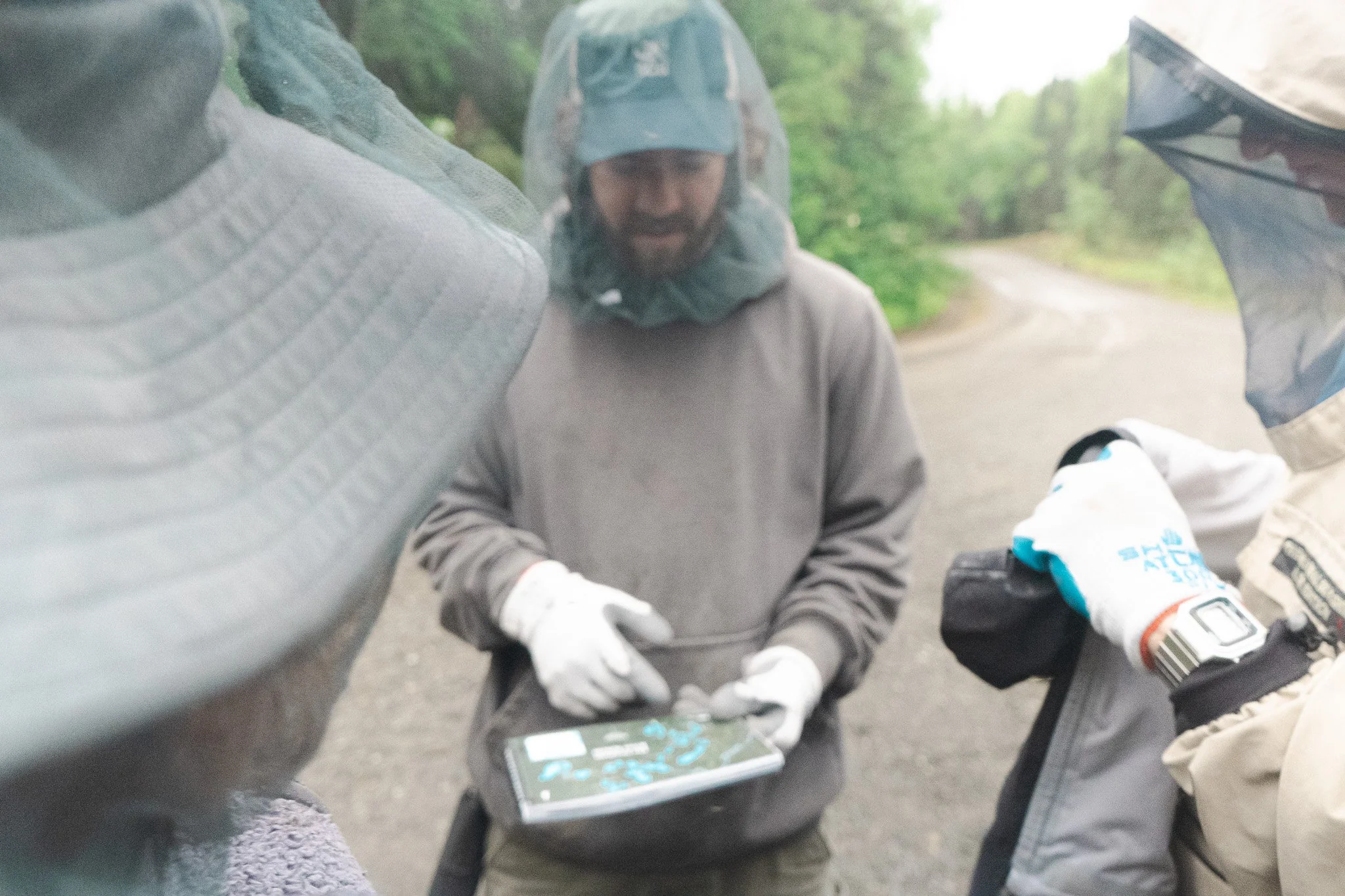
Safety Leadership Coaching
Coaching is organized around five challenges common to safety leadership. Each one is a real part of the role, and a leader who makes progress across them earns the influence to bring others into the risk management process.
Building Relationships. Safety work depends on trust. Before anything else, a safety leader has to build a relationship that makes people willing to raise problems early, hear a variety of perspectives, and ultimately, help to solve them.
Engaging Up, Down, and Across. A safety leader depends on people who do not report to them, including staff, peers, senior leaders, and outside partners. The job is to get them involved and engaged in risk management, like getting teachers to complete risk assessments or getting a board to truly understand safety risk and act accordingly.
Strategic Thinking and Systems Awareness. Safety is a system, and its parts affect one another. A safety leader has to see those connections and make sense of them for others in ways that change perspective and redirect attention and resources, rather than reacting to issues one at a time.
Managing Overwhelm and Prioritization. The role brings constant, competing demands, and no one can meet them all at once. The key is to read overwhelm as a signal about the system rather than a personal failing, and to manage your own capacity so you stay consistent and effective to support the organization and everyone in it.
Sustaining Self and Career. Tough incidents and continuous stress wear people down. Protecting your well-being and judgment lets you recover from difficult events and enjoy a long and rewarding career in the role.
How we work together
Safety Leadership Coaching is six months of one-to-one coaching for safety leaders. You bring the challenge(s) in front of you, and we work through them together until you have a way forward you trust.
Safety science readings and resources are thoughtfully selected and provided between sessions. Each session centers around a concept or framework, and executive coaching methods are used to draw out learnings and applications of safety science to real-life circumstances and issues. Clients gain three outcomes: deep learning of safety science, solutions to real issues, and enhanced safety leadership capabilities.
Schedule 20 minutes to talk more about your challenges and goals.
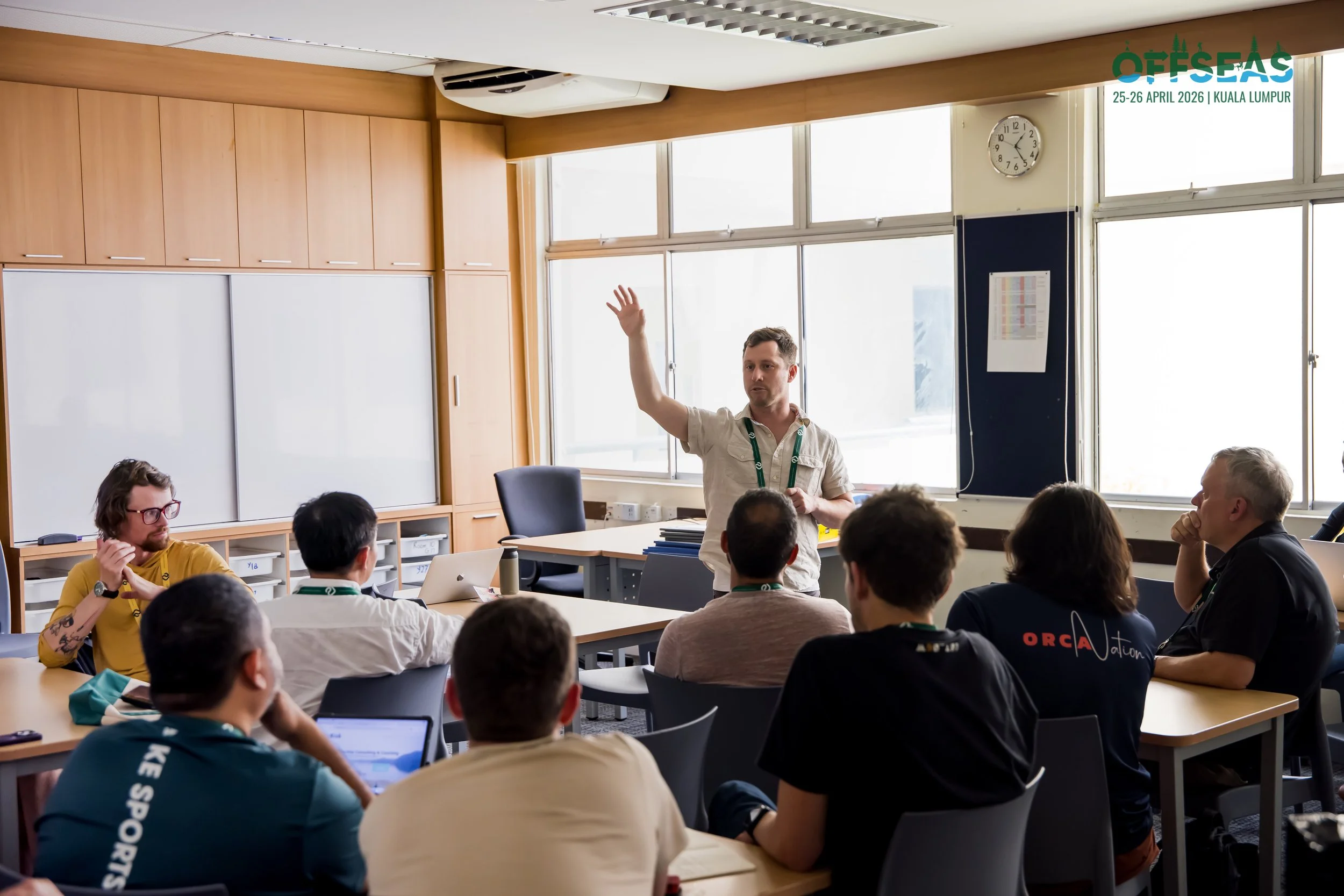
Coaching for Strategy and Change Management
Coaching for senior leaders who need to move the needle on a specific problem or lead transformational change in their organization’s risk management strategy and/or safety culture.
This three to six-month engagement gives the leader a strategic thinking partner and the discipline to update a risk management plan, implement recommendations from an external review (either from Slay Risk or someone else), and/or change traits of the organization’s culture to promote a new vision, direction, or approach to risk management and safety leadership. It ends with the change underway and a leader who can keep it going on their own.
Career Coaching
Coaching for emerging and experienced risk and safety professionals to break into the field or move up, step into a new role and start on the right foot, and to gain visibility among peers and the wider industry.
This engagement helps start and elevate careers. Coaching helps to leverage and grow an existing network to support transitions, like landing and starting a new role. It also helps build a reputation and develop contributions that can advance the field. Together we set goals, develop ideas, and prepare for interviews and presentations. Clients come away grounded and more confident.
Testimonials
"Stuart went beyond risk assessment and facilitated an in-depth program review. I highly recommend Slay Risk for anyone seeking a comprehensive, educationally driven consultation." Our program is large and complex. Stuart broke it down into manageable parts and provided knowledge, tools, and mentorship to empower our faculty and students to handle risk more effectively. Jennifer Frye, Internship Director, Dept. of Recreation Management & Policy
"I highly recommend Slay Risk for organizations seeking thorough risk analysis and meaningful capacity-building." Stuart's systematic approach helped us understand how to better manage risk for complex field placements. He identified and translated key risks into actionable strategies our team could implement. His approach is education-focused, and he prepared us to effectively advocate for higher-level policies at the institution. Jayson Seaman, Chair and Associate Professor, Dept. of Recreation Management & Policy
"I highly recommend Slay Risk for organizations seeking thorough risk analysis and meaningful capacity-building." Stuart's systematic approach helped us understand how to better manage risk for complex field placements. He identified and translated key risks into actionable strategies our team could implement. His approach is education-focused, and he prepared us to effectively advocate for higher-level policies at the institution. Jayson Seaman, Chair and Associate Professor, Dept. of Recreation Management & Policy
FAQs
-
Coaching helps you reach your own professional goals by drawing out your own knowledge and working through what is getting in the way. It relies on questions and reflection, not advice, to move you forward. Coaching is not consulting or training, which both center on giving advice. And unlike therapy, it does not address mental health.
-
Coaching is for anyone responsible for their organization's risk and safety, including program directors, risk managers, and senior and executive leaders. These roles carry common challenges, influencing across the organization, holding real responsibility with limited authority, and managing competing demands. Many safety leaders come from outdoor leadership backgrounds, which build a strong foundation for senior roles. Coaching develops the organizational leadership skills that foundation doesn't cover. It supports established leaders and those new to the role.
-
Training and consulting both pass knowledge from one person to another. Training teaches a skill. Consulting gives advice. There is a time for both, but neither is built for your own development, self-awareness, or follow-through on your own goals. Coaching works the other way. Instead of handing you answers, it helps you find your own, building the skill and confidence to act through reflection, testing ideas in practice, and working through your specific context.
-
Coaching and mentorship complement each other well. Coaching helps you find your own answers. Mentorship lets me draw from my own experience across risk management, safety science, and safety leadership where it might help.
-
No. Many people come in knowing something needs attention but not what, exactly. The early sessions are partly about working that out. You don't have to arrive with it figured out.
-
Many organizations cover coaching through professional development or leadership budgets. You can register yourself or have the organization invoiced directly. If you need approval, I can provide a short proposal describing the engagement and how it supports your goals and the organization's.
-
When an organization sponsors the coaching, we agree on goals together, but the conversations stay confidential. The sponsor receives general updates on progress, never the details of what we discuss.

Let’s work together.
Start with a conversation about where you are and what would help.